
Chariot Racing: The Ancient Roots of Modern Gambling
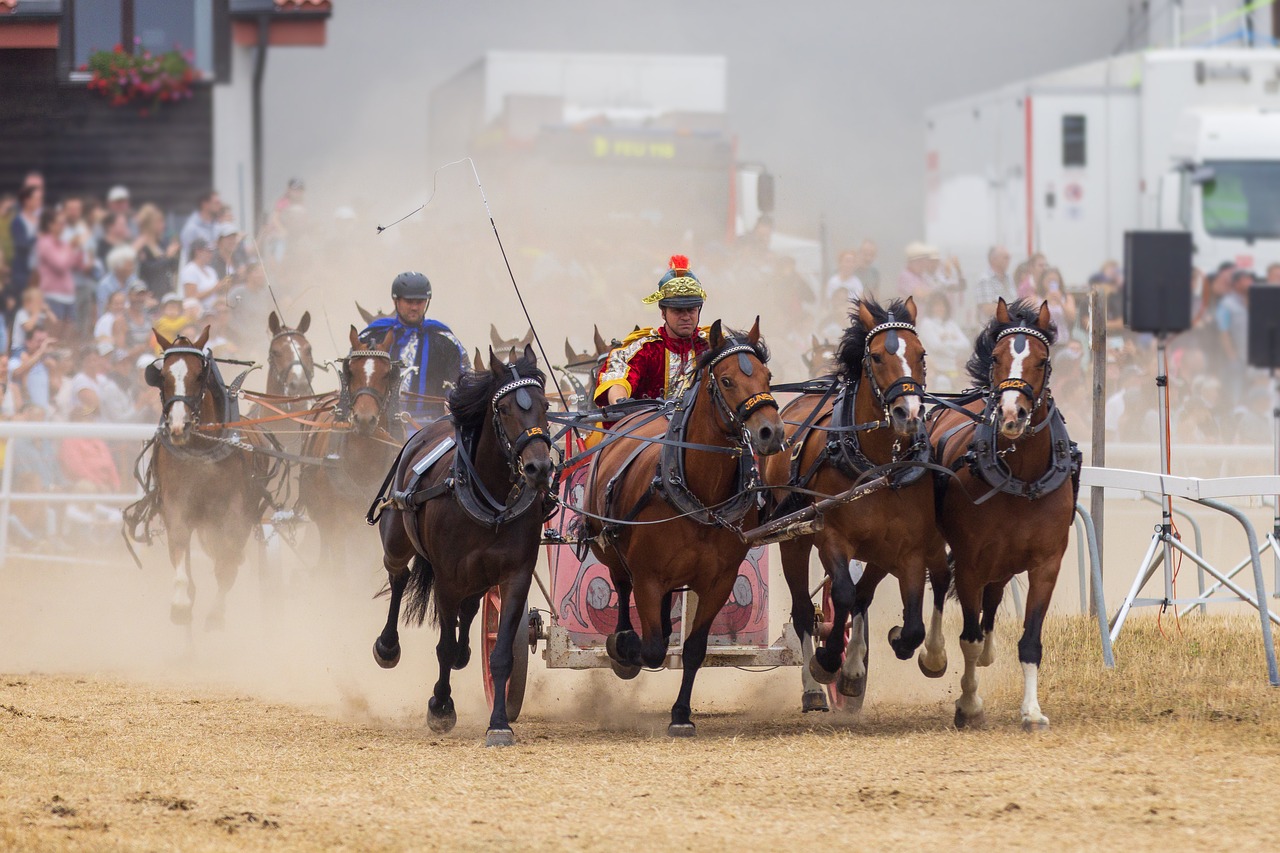
Images of bustling casinos, neon lights, and poker tables often come to mind when we think of gambling today. However, the roots of modern gambling stretch far back into the annals of history, all the way to the dusty arenas and roaring crowds of biblical chariot racing. Let’s take a friendly journey through time to explore how chariot racing laid the foundation for the gambling culture we know today.
The Glory of Chariot Racing
 In ancient civilizations like Rome and Greece, chariot racing was more than just a sport; it was a spectacle that captivated the masses. The grand arenas, such as Rome’s Circus Maximus, could hold up to 250,000 spectators, all eagerly awaiting the thrill of the race. Charioteers, often enslaved people or low-ranking citizens, could rise to fame and fortune, becoming the sports superstars of their day.
The Birth of Betting
With such high stakes and intense competition, it’s no surprise that betting quickly became intertwined with chariot racing. Spectators would place wagers on their favorite teams or characters, hoping to turn a profit or simply add to the excitement of the race. These bets weren’t just casual pastimes; they were serious business. Wealthy patrons could bet vast sums of money, and the outcomes of races could make or break fortunes.
How Betting Worked
Betting on chariot races in ancient times shared similarities with modern gambling. Punters would consider various factors, such as the charioteer’s skill, the horses’ condition, and the teams’ reputation. This mirrors today’s sports betting, where fans analyze statistics, forms, and conditions to place informed bets. Interestingly, ancient Romans also had a form of bookmakers. Often associated with the teams or stables, these individuals would take bets and manage the odds. Like today’s bookies, they were crucial in facilitating the gambling process and ensuring that bets were placed and paid out correctly.
The Risks and Rewards
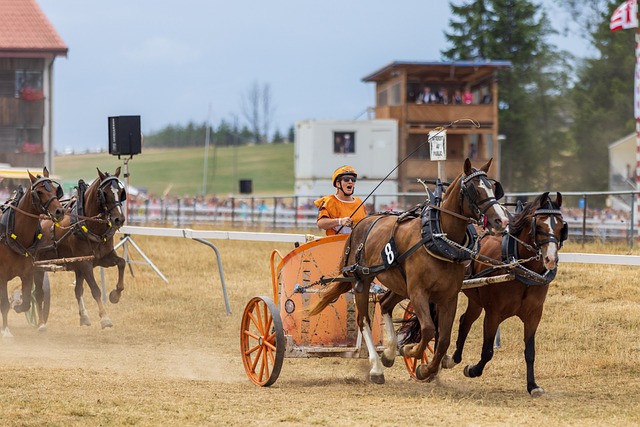
As with modern gambling, betting on chariot races came with its fair share of risks. Races were challenging, and charioteers frequently faced life-threatening injuries. The unpredictability of the races added to the excitement and the potential for significant loss. However, the rewards were equally enticing. Successful bets could yield substantial returns, and for the charioteers themselves, winning races could mean a pathway to freedom and wealth.
The Social Impact
Chariot racing and its associated gambling culture had a profound social impact. It wasn’t just the wealthy who engaged in betting; people from all walks of life, including common citizens and even slaves, would place wagers. This widespread participation helped to break down social barriers, if only temporarily, uniting people in their shared passion for the sport and the thrill of the gamble.
Legacy of Chariot Racing in Modern Gambling
The legacy of chariot racing is evident in many aspects of modern gambling. The structure of betting, the role of bookmakers, and the social dynamics of gambling can all trace their roots back to these ancient races. Even the excitement and allure of risking money on an uncertain outcome, a fundamental aspect of gambling, was vividly present in the chariot arenas of old.
In Conclusion
 Chariot racing was more than just a thrilling sport in ancient times; it was a cornerstone of early gambling culture. The excitement of the races, the high stakes of the bets, and the social dynamics surrounding the events laid the groundwork for modern gambling practices. Next time you place a bet or watch a sporting event, take a moment to remember the roaring crowds and dusty tracks of ancient chariot racing where the spirit of gambling truly began.…




 Paid advertising is an effective way to reach potential customers. You can use search engines, social media ads, and display ads on other websites. It’s essential to track the performance of your ads and adjust your targeting accordingly to get the best return on investment. These are just a few tips for promoting your

 he allure of the tie bet is attractive to many new players as it offers high rewards. But betting on the tie often doesn’t pay off in the long run, especially when playing against experienced opponents. This is because your chances of winning a tie bet are very low – only 8 out of 52 cards can tie. So if you’re looking for consistent wins, it’s best to avoid the temptation of betting on ties and focus more on bets that have better chances of winning like Dragon or Tiger. You don’t have to completely avoid tie bets, but make sure not to rely too heavily on them.

 It is also important to pay attention to the payment methods offered by the casino website. Make sure you can deposit and withdraw your funds safely and securely without any hidden fees or charges. Most trustworthy sites will offer a variety of payment options, including credit cards, debit cards, e-wallets, and cryptocurrencies.

 When you win a bet on the banker hand, it is customary for casinos to charge a 5% commission from your winnings. While this may sound like a lot, the math favors



 Obsession with Gambling
 Increase the Adrenaline
