
Progressive Jackpots Explained: How Jackpot Slots Work
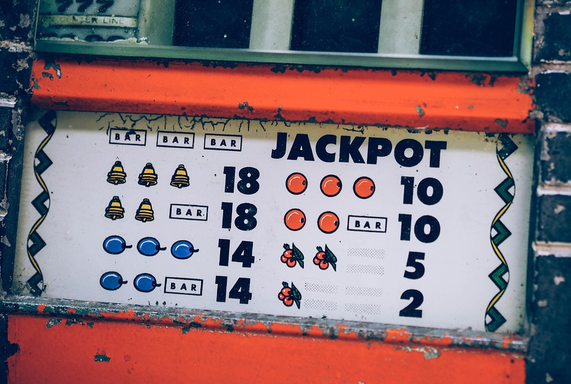
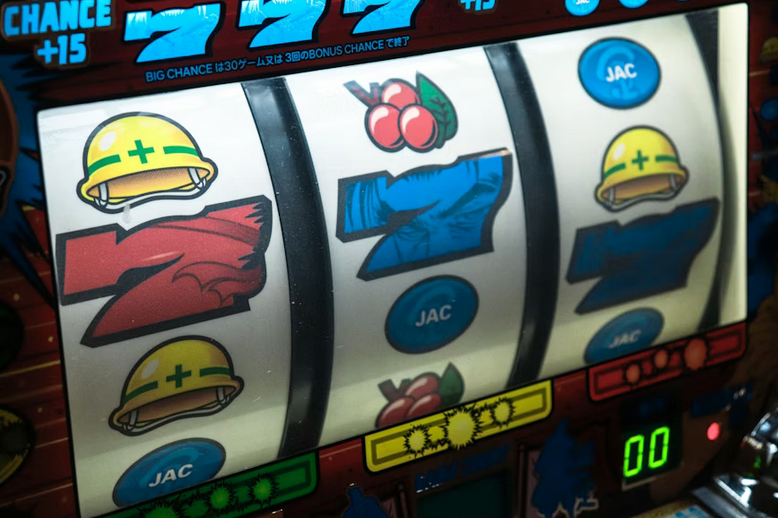
A progressive jackpot can turn an ordinary slot spin into a game of “Whoa, did that number just get bigger?” For players looking to get free credit, understanding how the jackpot actually grows is far more useful than simply chasing the biggest figure on the screen. These jackpots are connected to a wider prize pool that can increase as qualifying bets are placed. The exciting part is watching that total climb, but the mechanics behind it are what really make progressive slots interesting. The basic idea sounds simple. Players spin, a small portion of qualifying wagers may feed the progressive prize, and the displayed jackpot keeps climbing until someone hits the required combination or trigger. It is a little like dropping coins into a giant digital piggy bank. The difference is that nobody knows exactly when the piggy bank will crack open.
What Makes a Jackpot Progressive
A progressive jackpot differs from a fixed jackpot because its prize value can change over time. Every qualifying wager may contribute a small amount to the shared jackpot pool, depending on the game’s rules. As more eligible bets are placed, the displayed prize can rise. That is why you might see a jackpot sitting at one amount and then watch it tick upward later. Some progressives are linked across several games or even multiple casino platforms. Others are limited to one particular slot. A networked jackpot can grow much faster because more players are contributing to the same pool. That huge number on the screen is therefore connected to participation, not magic.
How the Jackpot Gets Triggered
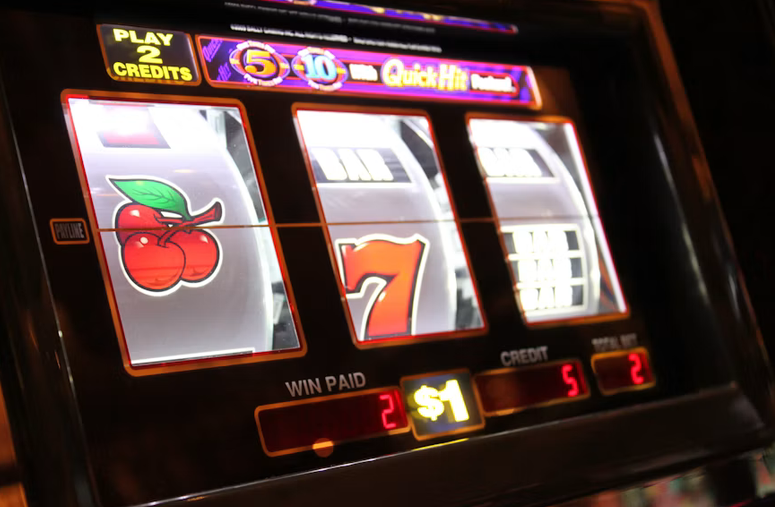
Winning the jackpot usually requires a specific combination or feature. Some slots use special symbols that must land in particular positions. Others can trigger the prize through a bonus round, mystery feature, or random event. The exact condition depends entirely on the game’s rules. This is where reading the paytable becomes surprisingly useful. The flashing lights might scream “BIG WIN,” but the paytable tells you what actually counts. It can explain qualifying bets, jackpot symbols, bonus mechanics, and payout conditions. Five minutes of reading can save a lot of confusion later.
Why Jackpot Values Keep Changing
The most obvious reason is that players keep spinning. If qualifying wagers feed part of the progressive pool, every new round can potentially push the displayed amount higher. The increase may be tiny, but thousands of wagers can turn tiny contributions into a much larger prize. That creates the giant rolling number players notice immediately. The jackpot can also reset after a qualifying win. Imagine watching a counter climb to an enormous figure and then suddenly seeing it drop dramatically. That is usually the reset mechanism at work. Afterward, the progressive begins building again according to the game’s rules.
Do Bigger Jackpots Mean Better Odds?
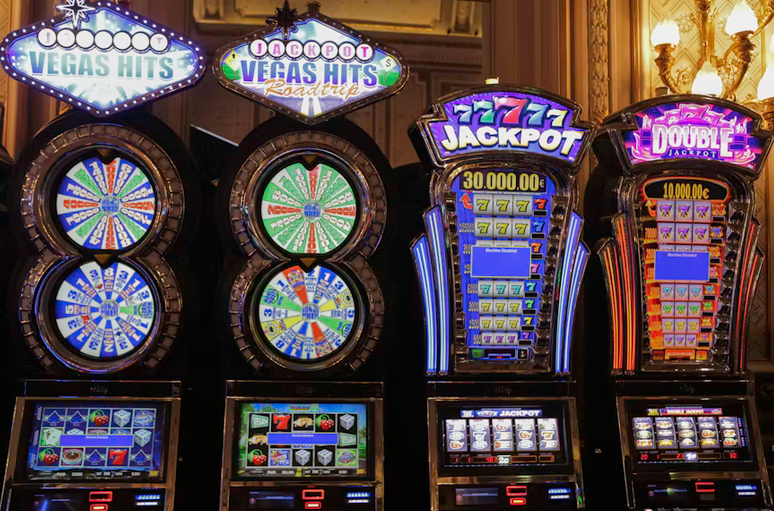
Here is where things get interesting. A larger jackpot does not automatically mean a player has a greater chance of winning it. The probability of triggering the jackpot is determined by the game’s mathematical design and qualifying conditions. The prize can grow while the underlying odds remain unchanged. That distinction matters because a giant jackpot can create serious excitement. It can also encourage players to spend more than planned. Set a budget before playing and treat the wager as entertainment rather than a guaranteed money-making strategy. A progressive jackpot is exciting precisely because the outcome is uncertain.
The Rules Before Chasing the Prize
Progressive slots are built around a simple concept: many qualifying plays can help grow a shared prize until someone triggers it. The exact contribution rate, qualifying bet, jackpot condition, and reset value vary between games. Those details are more important than the flashing jackpot counter. Knowing the mechanics gives you a clearer picture of what you are actually playing. And remember, the biggest number on the screen is not automatically the best reason to spin. Check the rules, understand the wager, and decide how much entertainment you can comfortably afford. Then the jackpot becomes what it should be: an exciting possibility rather than a promise.…
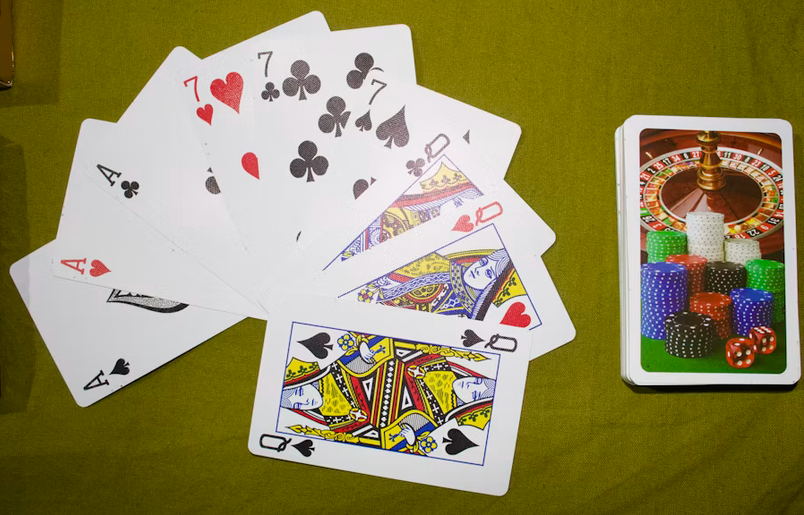
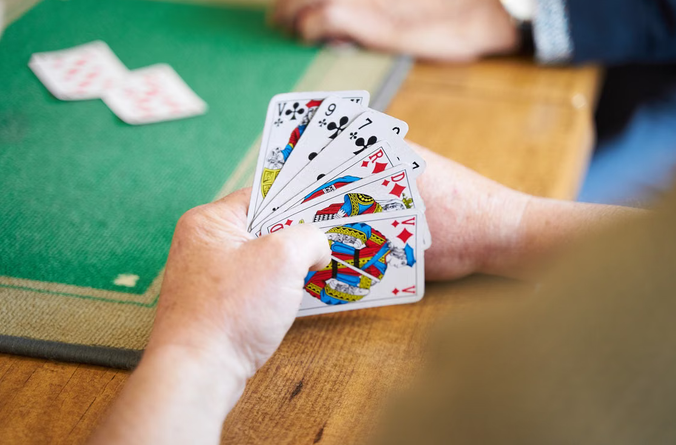
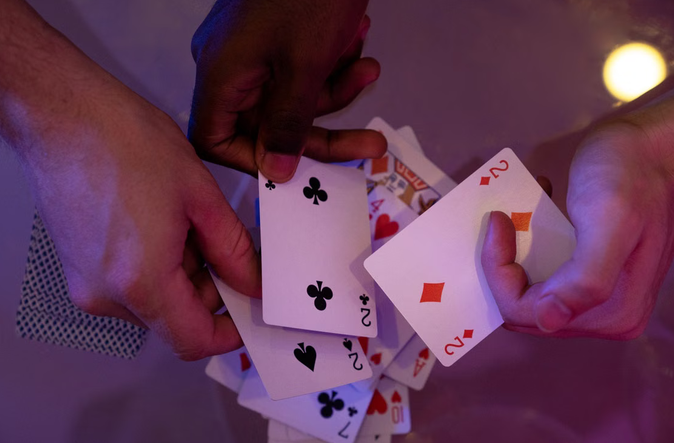

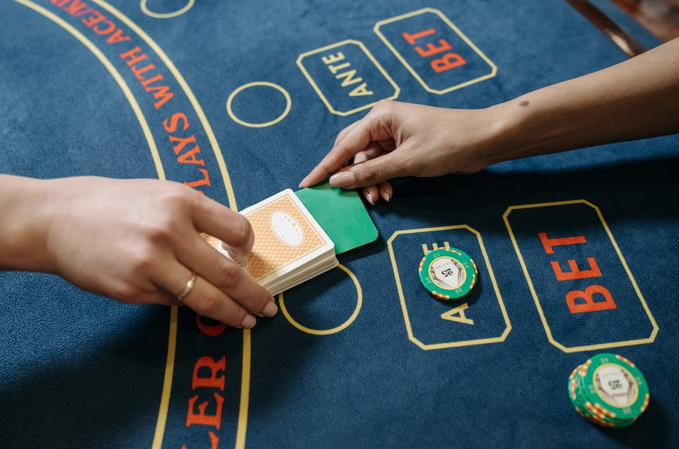
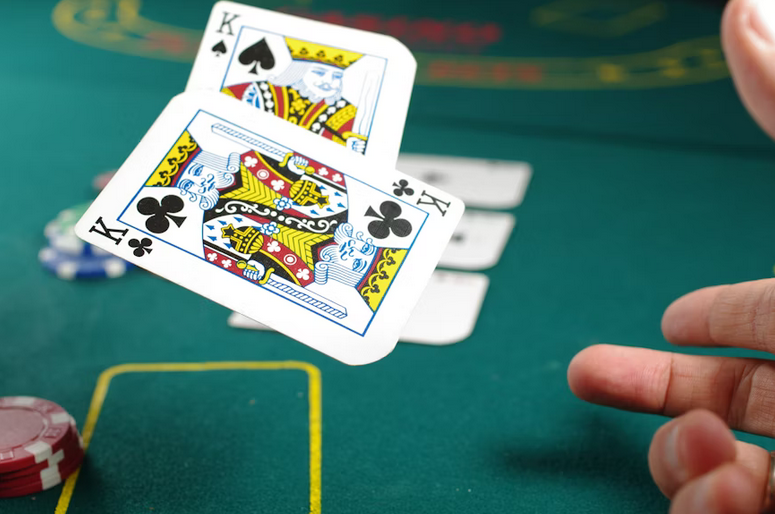
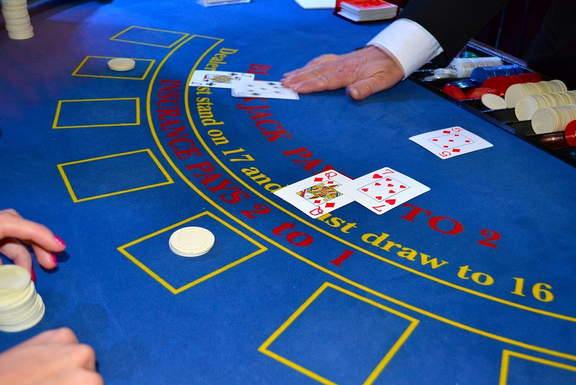
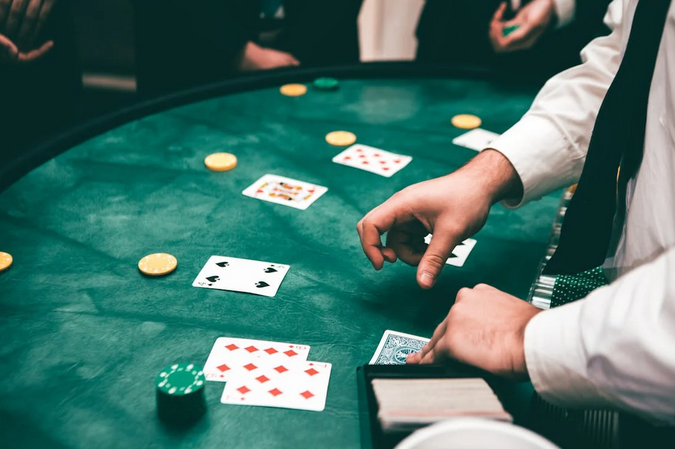
 Fair gameplay depends on all participants having equal confidence that the cards have been prepared without bias. Standardized shuffling procedures help establish this confidence by using consistent methods before the deal begins. Dealers are trained to use recognized techniques to mix the deck while carefully handling the cards thoroughly. These procedures reduce the possibility of predictable arrangements.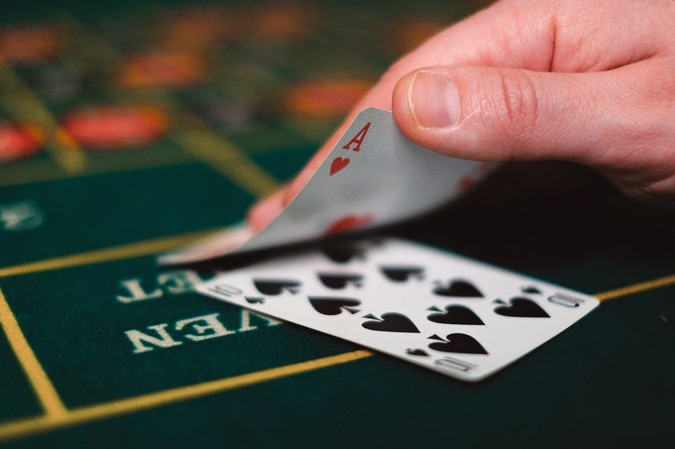














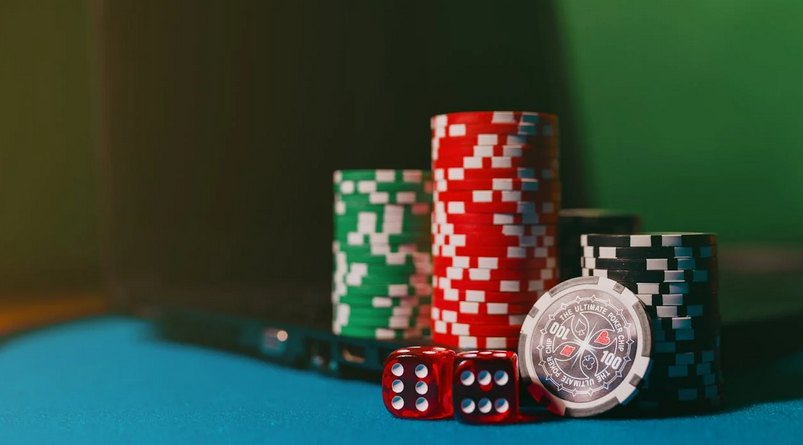



 Traditionally, loyalty programs have been straightforward – players earn points or rewards based on the amount they spend or the number of games they play. While this approach works, it can sometimes feel a little monotonous or impersonal. Gamification changes that by turning the loyalty program into a more interactive and enjoyable experience. With gamified loyalty programs, players can earn rewards for completing specific challenges, achieving milestones, or competing against others. These challenges often feel like games themselves, making the process of earning rewards much more entertaining. By adding a sense of fun and excitement, gamification increases the chances that players will remain engaged and motivated to keep playing.
 As mobile gaming continues to rise in popularity, integrating gamified loyalty programs into mobile apps has become a game-changer for many casinos. Players can track their progress, join challenges, and redeem rewards right from their smartphones. The convenience and accessibility of mobile gamified loyalty programs ensure that players can stay engaged anytime, anywhere. Many casinos are also creating integrated platforms where players can earn rewards not just through gaming but also through social interactions, such as liking posts, referring friends, or sharing content. These multi-channel loyalty programs engage players in a way that’s both convenient and rewarding.


 One popular wager style in sports betting is


 he allure of the tie bet is attractive to many new players as it offers high rewards. But betting on the tie often doesn’t pay off in the long run, especially when playing against experienced opponents. This is because your chances of winning a tie bet are very low – only 8 out of 52 cards can tie. So if you’re looking for consistent wins, it’s best to avoid the temptation of betting on ties and focus more on bets that have better chances of winning like Dragon or Tiger. You don’t have to completely avoid tie bets, but make sure not to rely too heavily on them.

 It is also important to pay attention to the payment methods offered by the casino website. Make sure you can deposit and withdraw your funds safely and securely without any hidden fees or charges. Most trustworthy sites will offer a variety of payment options, including credit cards, debit cards, e-wallets, and cryptocurrencies.

 When you win a bet on the banker hand, it is customary for casinos to charge a 5% commission from your winnings. While this may sound like a lot, the math favors
