
Rummy Game Explained: Understanding the Basic Gameplay
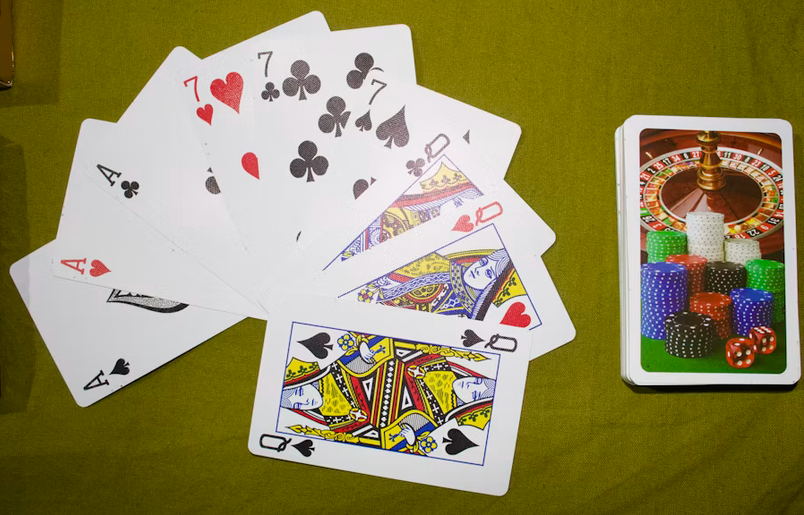
Rummy looks innocent enough until someone starts arranging cards like they are solving a tiny cardboard mystery. Diwa Vip can be a handy place for ladies who want to explore rummy-style casino entertainment, but understanding the basic rules should come first. The good news is that rummy is easier to grasp than its serious-looking players might suggest. Give it a few rounds and those mysterious card groups start making sense.
What Is Rummy, Exactly?
Rummy is a card game built around forming useful combinations. The main goal is usually to arrange your cards into sets and sequences before your opponents do. A set contains cards of the same rank, such as three kings. A sequence uses consecutive cards from the same suit, such as 4, 5, and 6 of hearts. That sounds simple, right? Here comes the tasty part. Different rummy versions can use slightly different rules, card counts, and winning conditions. So before playing, check the specific version being offered because one small rule change can completely alter your strategy.
How a Typical Turn Works

A basic turn usually starts with drawing a card. You can take one from the face-down pile or, depending on the version, pick up from the discard pile. Then you decide which cards are useful and which ones are taking up valuable real estate in your hand. Finally, you discard one card to finish your turn. That creates a constant little puzzle. You want helpful cards, but holding everything is not the answer. Imagine collecting ingredients for dinner while someone keeps stealing one from your kitchen. You need to decide quickly what stays, what goes, and what might become useful later.
Sets, Sequences, and Combinations
Sets are groups containing cards of the same rank but different suits. For example, three queens can form a set if the particular rules allow that combination. Sequences are consecutive cards from the same suit, such as 7, 8, and 9 of clubs. These combinations are the building blocks of most basic rummy gameplay. Some versions also use a concept called a pure sequence. This generally means consecutive cards from the same suit without relying on a wild card. That distinction matters because certain rummy formats require specific combinations before you can declare a win. Always check the rules of the version you are playing.
Why Discarding Matters So Much

New players often focus heavily on the cards they collect. Experienced players pay attention to the cards they throw away too. Discarding a card can reveal information because another player may suddenly grab it. Oops. You may have just handed them the missing piece of their card puzzle. Watch the discard pile carefully. If someone repeatedly ignores certain cards, those cards may be less useful to them. If they suddenly take a card you discarded, pay attention. You do not need to become a card-reading detective, but noticing patterns can make each round more interesting.
How a Player Wins
A round usually ends when a player successfully arranges their hand according to the required combinations and declares. The exact winning condition depends on the rummy variation. Some formats involve scoring points based on unmatched cards, while others focus on completing the required groups. This is why checking the specific rules before playing matters. The smartest beginner move is simple: understand the objective before worrying about clever tricks. Build sequences, watch useful cards, discard carefully, and keep track of what opponents collect. Rummy rewards attention more than frantic clicking. Once the basic rhythm clicks, the cards stop looking like chaos and start looking like a delicious little strategy puzzle.

